Legal Updates
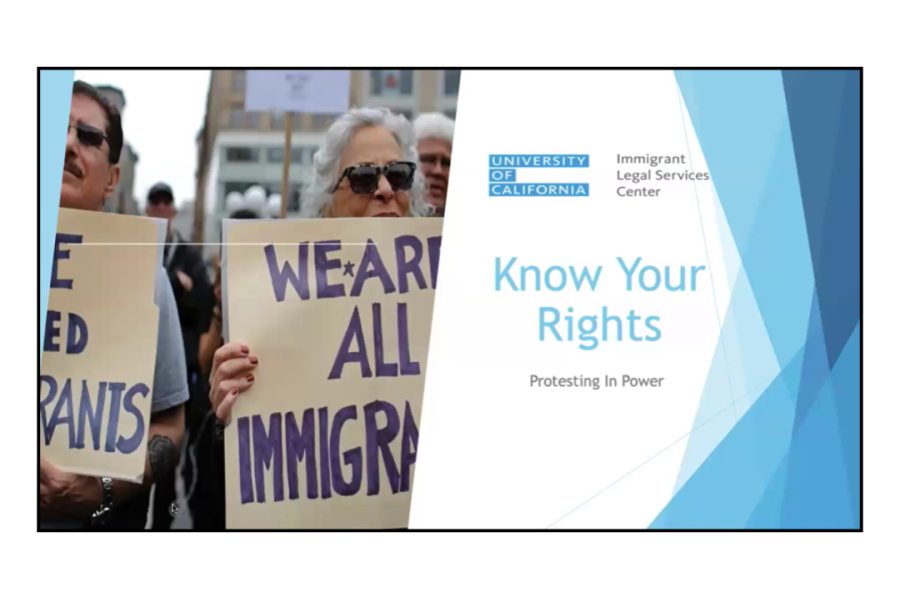
Misinformation about immigration rights can create confusion, anxiety, and uncertainty. However, it is essential to know that every person in the U.S. has legal rights, regardless of immigration status. Our legal team is dedicated to helping you understand your rights and options so you can make informed decisions about your future.
To learn more about your legal rights and explore available resources, scroll down for trusted legal information, previous workshops, and ways to connect with our legal team.
Latest Information
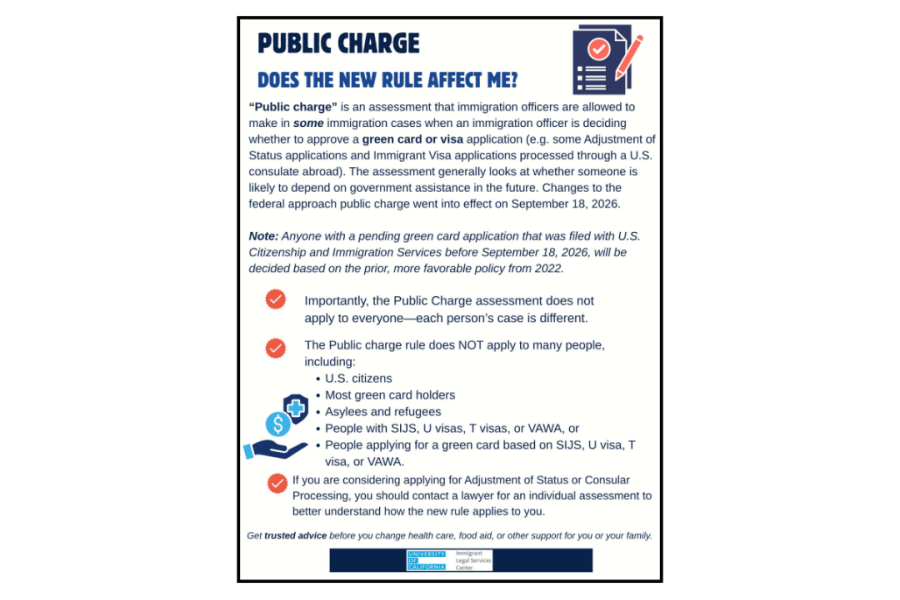
Public Charge-Does the New Rule Affect Me?
Please review guidance from UC Immigrant Legal Services Center regarding the Public Charge Rule (September 18, 2026)
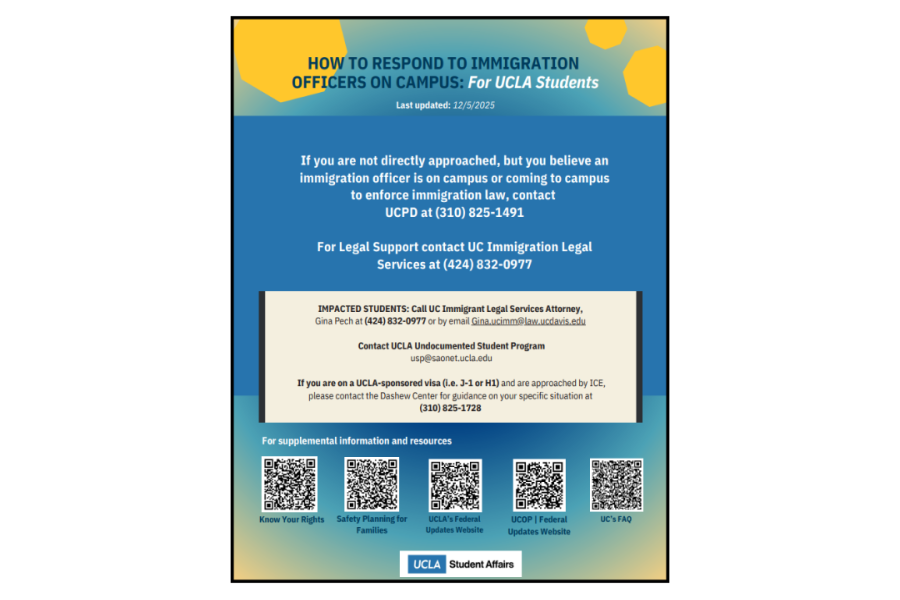
Responding to Immigration on Campus Protocol
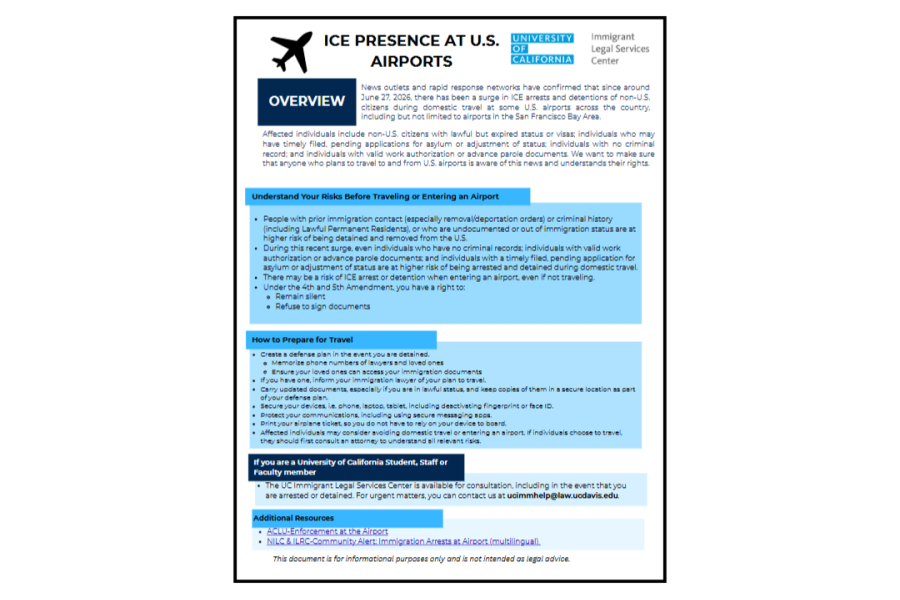
ICE Presence at U.S. Airports
"News outlets and rapid response networks have confirmed that since around
June 27, 2026, there has been a surge in ICE arrests and detentions of non-U.S.
citizens during domestic travel at some U.S. airports across the country,
including but not limited to airports in the San Francisco Bay Area. Affected individuals include non-U.S. citizens with lawful but expired status or visas; individuals who may
have timely filed, pending applications for asylum or adjustment of status; individuals with no criminal
record; and individuals with valid work authorization or advance parole documents. We want to make sure
that anyone who plans to travel to and from U.S. airports is aware of this news and understands their rights." - UC Immigrant Legal Services
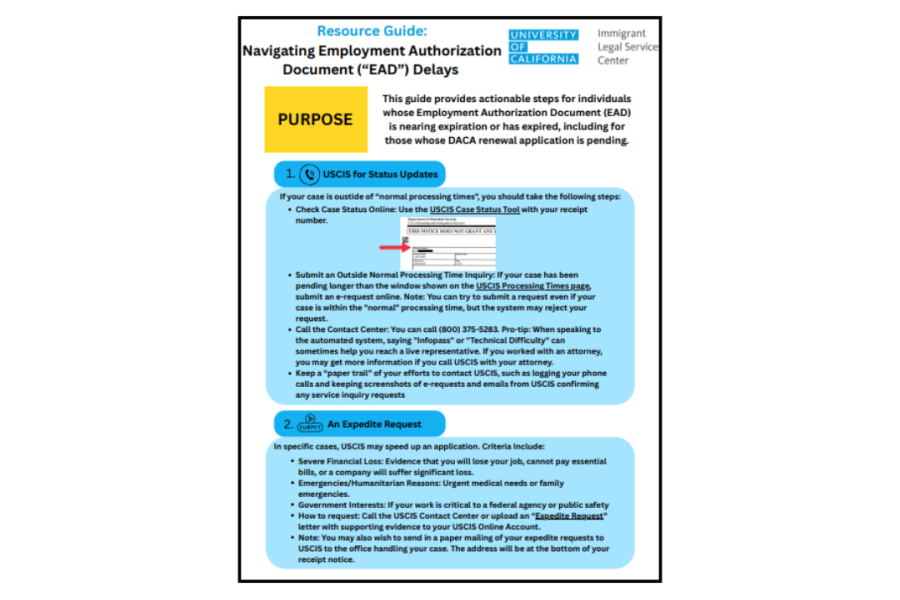
Navigating Employment Authorization Document Delays
This guide provides actionable steps for individuals whose Employment Authorization Document (EAD) is nearing expiration or has expired, including for those whose DACA renewal application is pending
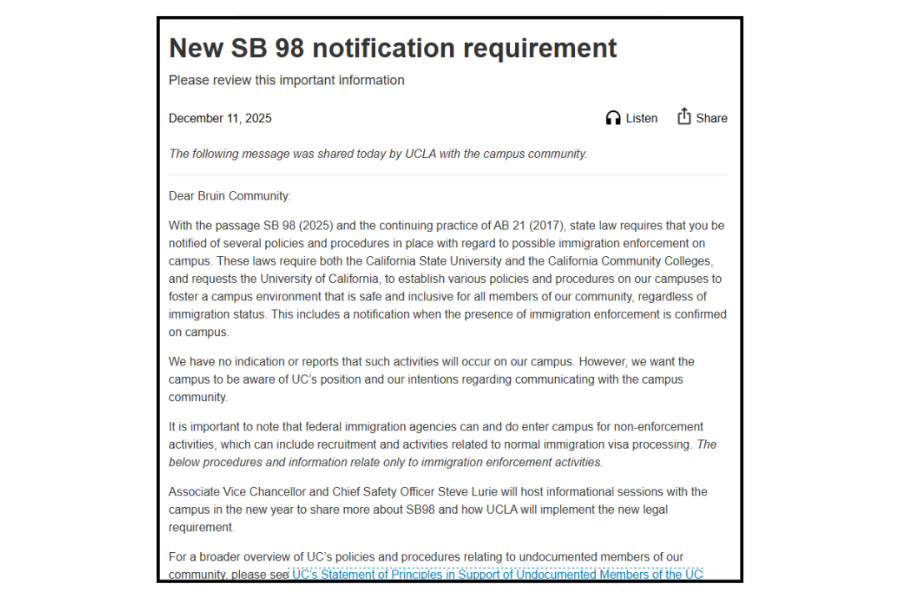
UCLA: New SB 98 Notification Requirement
UCLA shared important information about SB 98 (2025) and existing state policies that outline how campuses must respond to any confirmed immigration enforcement activity. While there are no current indications of immigration enforcement on campus, UCLA is committed to keeping our community informed, prepared, and supported. Students and employees can review UC guidelines, know-your-rights resources, and campus contacts to understand available protections and what steps to take if immigration officers are present on campus.
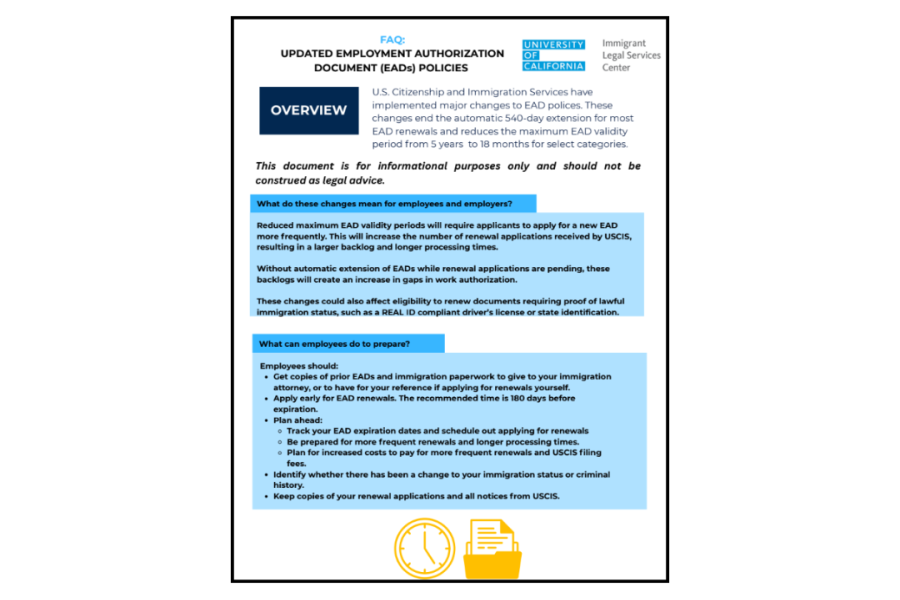
FAQ: Updated Employment Authorization Document (“EAD”) Policies
As of January 30th, 2026
This FAQ explains recent USCIS policy changes ending automatic EAD extensions and reducing maximum EAD validity periods. It outlines which EAD categories are affected and offers guidance for affected employees'. USCIS has implemented major changes to EAD polices. These changes end the automatic 540-day extension for most EAD renewals and reduces the maximum EAD validity period from 5 years to 18 months for select categories.
This document is for information purposes only and should not be construed as legal advice.
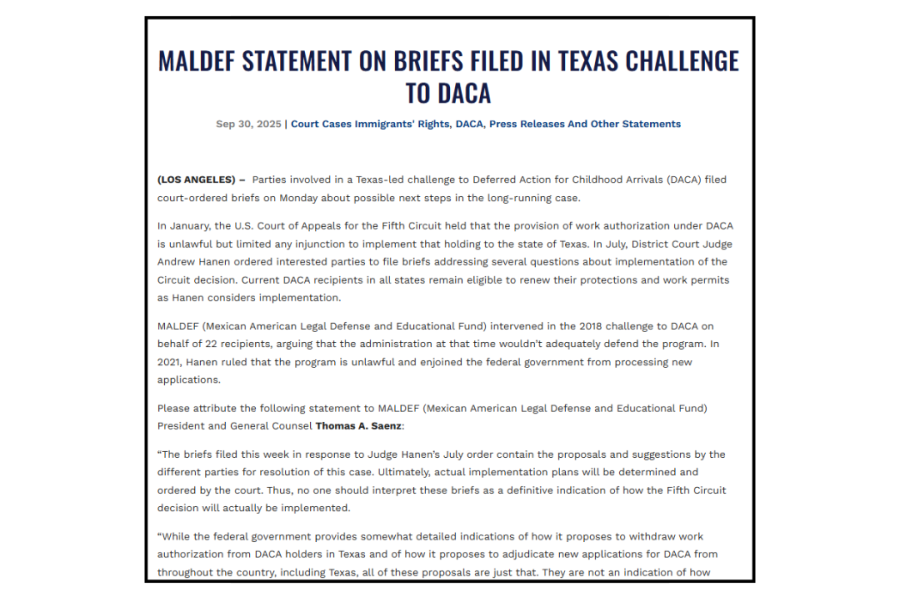
DACA Litigation Update (9/30/25)
What happened this week and what it means:
On September 29, the parties in the DACA litigation filed briefs responding to questions Judge Hanen raised in his July DACA order. The briefings are arguments and recommendations that each of the parties has put forward for Judge Hanen to consider. The final briefing deadline is October 27, 2025. No court changes to DACA will occur before 10/27/2025.
Many news outlets and social media posts have highlighted that the government’s briefing signaled possibly processing initial DACA applications. However, it is important to remember that Monday’s briefing is the first round of briefs filed in response to Judge Hanen’s questions, and the arguments may evolve and change throughout the remainder of the briefing schedule. None of the arguments change the current status quo – until Judge Hanen says otherwise. Also important, is that in the same briefing the government states that their proposal does “not limit DHS from undertaking any future lawful changes to DACA.” This is a reminder that even outside of the context of litigation, the government can use its executive authority to take negative action towards DACA at any moment through the regulatory process. To do that, the administration must follow a legal process governed by the Administrative Procedure Act (APA), which includes publishing a notice, providing a comment period, responding to significant public comment, and issuing a final rule of repeal with a state rationale.
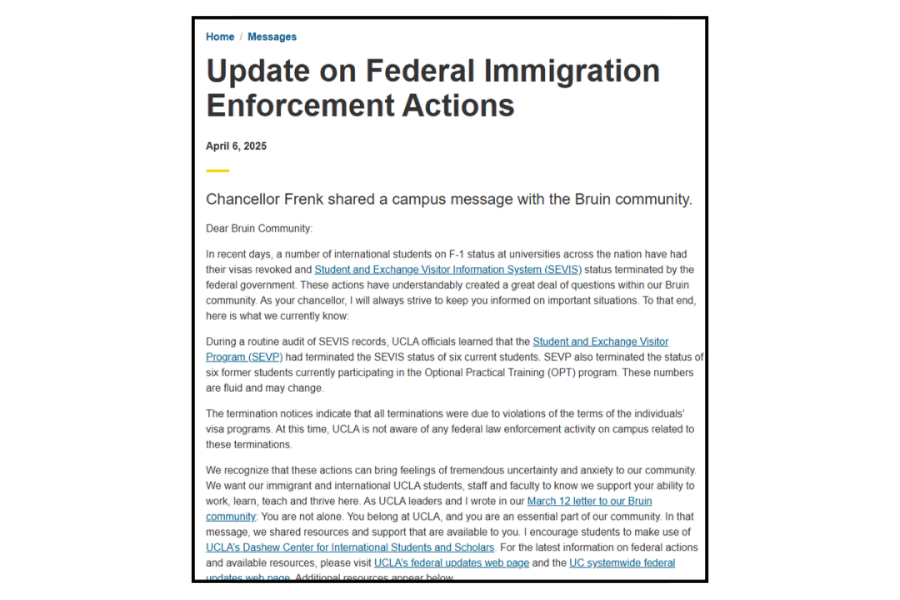
UCLA Chancellor Message: Update on Federal Immigration Enforcement Actions (April 6, 2025)

UC Immigrant Legal Services - Know Your Rights Cards
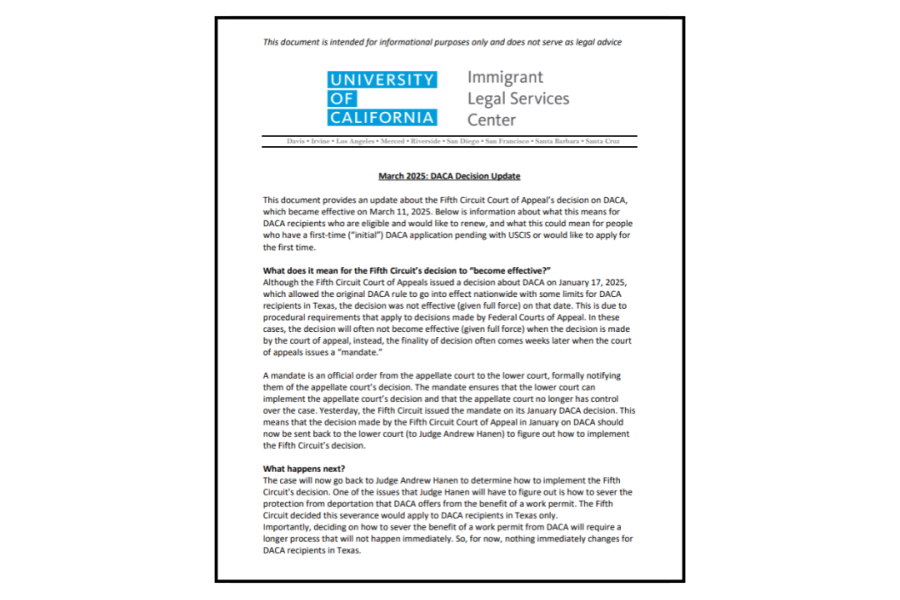
March 2025: DACA Decision Update
This document provides an update about the Fifth Circuit Court of Appeal’s decision on DACA, which became effective on March 11, 2025. Below is information about what this means for DACA recipients who are eligible and would like to renew, and what this could mean for people who have a first-time (“initial”) DACA application pending with USCIS or would like to apply for the first time.
Registration Announcement by the Trump Administration
On 2/26/25, the Trump Administration announced that it intends to set up an online process for some non-U.S. citizens, including some undocumented immigrants, to “register” their presence in the U.S. with the U.S. Citizenship and Immigration Services (USCIS).This registration requirement comes from old law that imposed a requirement on noncitizens to register with the U.S. government or face certain penalties (criminal and civil).
At this point, it is only an announcement. There is currently no way for most undocumented people to register with the U.S. government, and not everyone will be required to do so, including because they may have already “registered” if they entered with a visa or submitted certain qualifying applications to an immigration agency.
What can people do now?
At this time, there is no new process for undocumented immigrants to register. We are awaiting more information.
Speak with a trusted legal services provider about whether this may apply to you.
Community members may want to consider carrying at least copies of any immigration documents listed in the registration regulations that they may have, in order to show compliance should they be stopped or questioned by law enforcement.
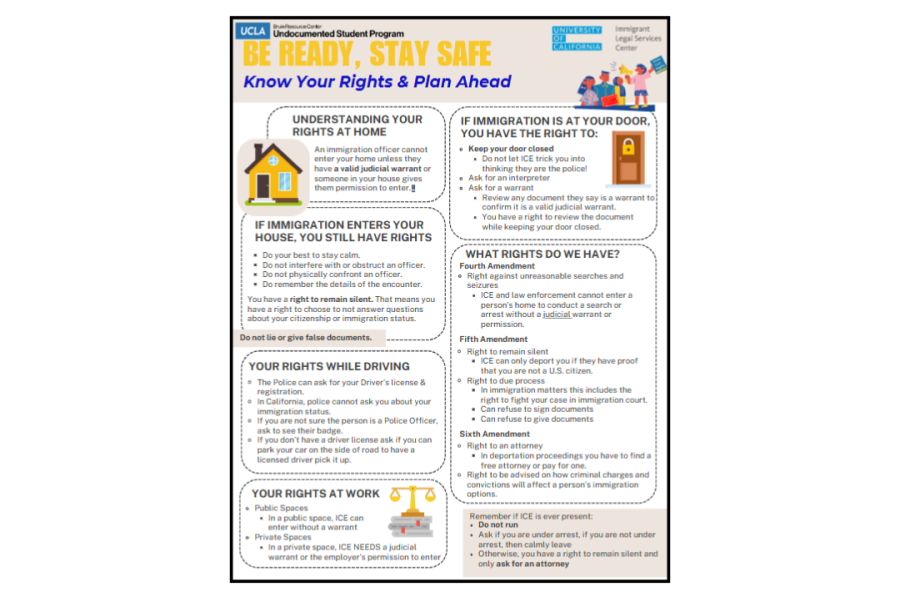
Be Ready, Stay Safe - Know Your Rights & Plan Ahead
Family Preparedness and Know Your Rights - How to Prepare for the Future